
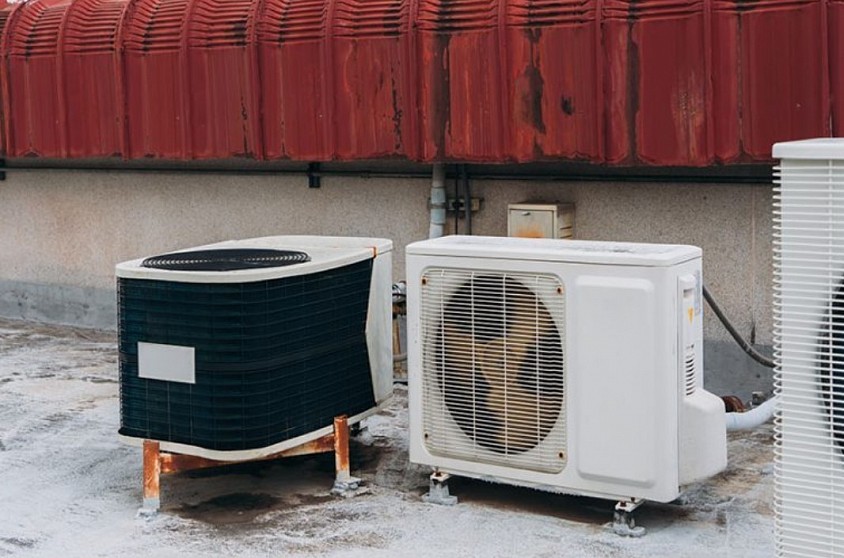
Winter Readiness: What Homeowners Should Know About Heating Reliability in Toronto
When cold weather settles in, a dependable heating system becomes more than a comfort—it’s a necessity. Understanding how HVAC contractors approach diagnostics, safety, and performance can help homeowners make informed decisions before temperatures dip. The following points outline practical insights for navigating seasonal challenges, budgeting for upkeep, and knowing when to call for professional attention, including when to consider furnace repair Toronto solutions to keep a home comfortable and safe.
1. Prioritize annual heating checkups
Regular inspections help identify small issues—like worn igniters, weak flame sensors, or airflow restrictions—before they disrupt comfort. A tune-up typically includes checking burners, filters, and safety controls, along with verifying proper combustion and venting. This preventive mindset reduces the chance of surprise breakdowns during a cold snap.
2. Know the warning signs
Pay attention to unusual noises, frequent cycling, uneven room temperatures, or rising utility bills without a clear cause. A persistent burning smell, soot around vents, or visible rust can also indicate concerns that deserve prompt attention. These symptoms suggest it may be time to explore professional assessment, including targeted options such as furnace repair Toronto when local expertise and rapid response are important.
3. Focus on airflow and filtration
Restricted airflow forces heating equipment to work harder than necessary. Replace or clean filters on a regular basis and ensure vents and returns remain unobstructed. In homes where dust or pet dander is common, more frequent filter changes can make a noticeable difference in comfort and efficiency.
4. Safeguard against carbon monoxide
Proper combustion and venting are essential. Install carbon monoxide detectors on each floor and near sleeping areas, test them regularly, and replace batteries as needed. If an alarm sounds or occupants experience symptoms like headaches or dizziness, leave the home and seek immediate professional help. Preventive inspections reduce risk by confirming safe operation and correct exhaust routing.
5. Manage thermostat strategy for comfort and savings
Smart scheduling helps balance comfort and energy use. Moderate setbacks when residents are asleep or away can reduce strain on equipment without extended recovery times. Avoid extreme temperature swings, which can encourage short cycling and added wear. A thoughtful thermostat plan supports consistent warmth and can help stabilize costs.
6. Address duct and insulation details
Heat loss in unconditioned spaces—attics, crawlspaces, or garages—undermines performance. Sealed ducts, adequate insulation, and attention to gaps around windows or doors help retain warmth and reduce workload. Even small air-sealing improvements can create more even temperatures from room to room.
7. Keep the equipment area clear
Maintain a safe clearance around heating equipment to support airflow, service access, and fire safety. Store paints, solvents, and other flammables elsewhere. A tidy mechanical area also helps technicians work efficiently when diagnostics or part replacements are needed.
8. Evaluate age, reliability, and repair history
Consider the system’s age and how often it has required attention. Repeated shutdowns, declining efficiency, or hard-to-find parts can signal that a more thorough evaluation is warranted. A professional can outline the pros and cons of continued fixes versus planning ahead to avoid mid-winter surprises.
9. Document maintenance and service notes
Keep a simple log of filter changes, inspection dates, and any findings. This record helps spot patterns—like recurring flame sensor issues or blower concerns—and supports faster troubleshooting. Homeowners save time and money when contractors can quickly review a clear history.
10. Plan ahead for cold snaps
When temperatures drop rapidly, demand for urgent visits rises. Scheduling preventive work before the season begins helps ensure timely support. If an unexpected problem occurs, clear communication about noises, smells, or error codes can accelerate diagnosis and resolution.
Reliable heat through the winter depends on consistent care, early attention to performance changes, and a safety-first mindset. By combining routine checkups, smart thermostat use, and diligent airflow management, homeowners can reduce stress on equipment and enjoy steadier comfort. When unusual symptoms persist or a breakdown occurs, local expertise becomes crucial—especially during extreme weather—making timely, professional attention the most practical path to restoring warmth and peace of mind.
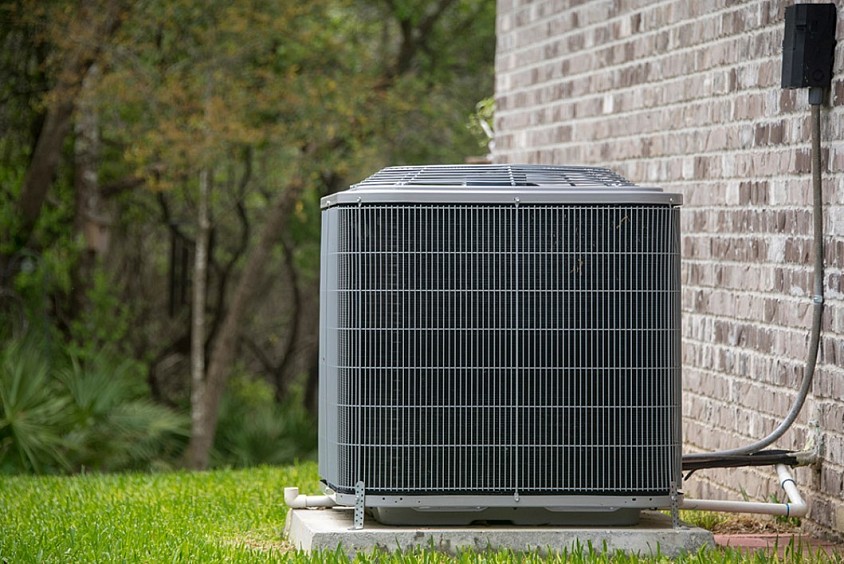
Smarter Choices for Heat Pump Installation in Toronto’s Climate
1. Understanding the local climate matters
Toronto’s mix of humid summers and frigid winters places unique demands on a heat pump. Any plan for heat pump installation toronto should start with climate suitability, focusing on cold-climate models that maintain capacity as temperatures drop. Features like enhanced vapor injection, variable-speed compressors, and adaptive defrost cycles help sustain comfort and efficiency throughout long winter stretches and shoulder seasons.
2. Right-sizing prevents comfort gaps
Proper load calculations are essential to avoid short cycling in summer and underperformance in winter. A detailed assessment considers insulation levels, window orientation, air leakage, and occupancy patterns. Balancing heating and cooling loads often points to variable-capacity equipment that can modulate output, maintaining steady indoor temperatures while reducing wear and energy use.
3. Ductwork can make or break performance
Even the most advanced equipment underperforms if ducts leak, restrict airflow, or are poorly insulated. During planning for heat pump installation toronto, evaluate static pressure, seal joints, and address undersized returns. In many homes, modest duct improvements—like adding returns, smoothing transitions, and rebalancing registers—unlock quieter operation and more even room-to-room temperatures.
4. Electrical readiness keeps the project smooth
Heat pumps and their auxiliary components often require dedicated circuits and appropriate breaker sizes. A straightforward electrical assessment confirms panel capacity, wire gauge, and grounding. Proactive planning avoids mid-project delays, ensures safety, and keeps installation timelines on track when upgrading from older heating or cooling systems.
5. Placement influences efficiency and longevity
Outdoor units should be elevated above typical snow levels and positioned to avoid drifting and ice buildup. Adequate clearance around the cabinet preserves airflow for efficient defrosting. Indoors, avoid cramped mechanical rooms that limit service access or create noise issues. Thoughtful placement supports smoother operation, simpler maintenance, and cleaner airflow paths.
6. Controls and zoning improve comfort
Modern inverter-driven systems pair well with smart thermostats designed for heat pump logic. Staging rules, lockout settings, and auxiliary heat control prevent unnecessary electric resistance operation. In multi-level or open-concept homes, zoning strategies—whether through duct design, dampers, or multiple air handlers—can reduce hot and cold spots without overcomplicating the setup.
7. Filtration and airflow protection
Consistent airflow is vital to coil health and efficiency. Choose filters that balance capture efficiency with low pressure drop, and set reminders for regular changes. In homes with pets or renovation dust, a slightly more frequent schedule preserves coil cleanliness, stabilizes comfort, and keeps energy use predictable across the seasons.
8. Noise control for urban living
In dense neighborhoods, quiet operation is a quality-of-life issue. Variable-speed outdoor fans, vibration-isolated mounts, and strategic siting reduce sound levels. Indoors, lined returns, flexible connectors, and proper coil sizing limit whistling and rattles. A measured approach to noise pays dividends for occupants and neighbors alike.
9. Cold-weather defrost strategy
Defrost cycles are normal, but they should be efficient and unobtrusive. Sensors, smart algorithms, and clean coils help minimize time spent in defrost. Good drainage around the outdoor unit prevents refreezing and reduces stress on the cabinet and fan components through the coldest months.
10. Maintenance preserves efficiency
A reliable maintenance rhythm includes coil inspections, condensate management, refrigerant checks, and verification of thermostat programming. Addressing small issues early—like a slightly dirty outdoor coil or a sluggish condensate pump—protects long-term performance. Clean surroundings, trimmed foliage, and stable mounting platforms further support system health.
11. Indoor air quality benefits
Because heat pumps often run longer, lower-intensity cycles, they can help maintain steadier humidity and temperature, improving perceived comfort. Pairing appropriate filtration and ventilation strategies with heat pump installation toronto creates a balanced indoor environment that supports respiratory comfort across seasons.
12. Pathway to lower environmental impact
By shifting more heating load to electricity, heat pumps support a transition toward cleaner energy. Selecting equipment with strong low-temperature performance maximizes that shift, especially when combined with good insulation and air sealing. This holistic approach reduces reliance on combustion and supports consistent, year-round comfort.
A thoughtful plan for heat pump installation toronto blends climate-aware equipment choices, careful sizing, airflow optimization, and practical maintenance. When each of these elements aligns, homes achieve steady comfort, quiet operation, and dependable efficiency through Toronto’s varied seasons.